
Preventive Dentistry in Montrose
Protect Your Smile and Stay Ahead of Problems
Healthy smiles start with prevention. Regular cleanings, exams, and early screenings help you avoid the pain, stress, and cost of letting problems grow. Preventive dentistry lets you enjoy eating, speaking, and smiling with comfort and confidence every day.
Many dental problems start small, often before you notice any pain. Our goal is to catch these issues early so they don’t escalate. We take time to learn what you need and watch for changes in your health, helping you stay in charge of your smile over time.
Preventive Dental Services
We offer a complete range of preventive services designed to protect your teeth, strengthen your smile, and support your overall health.
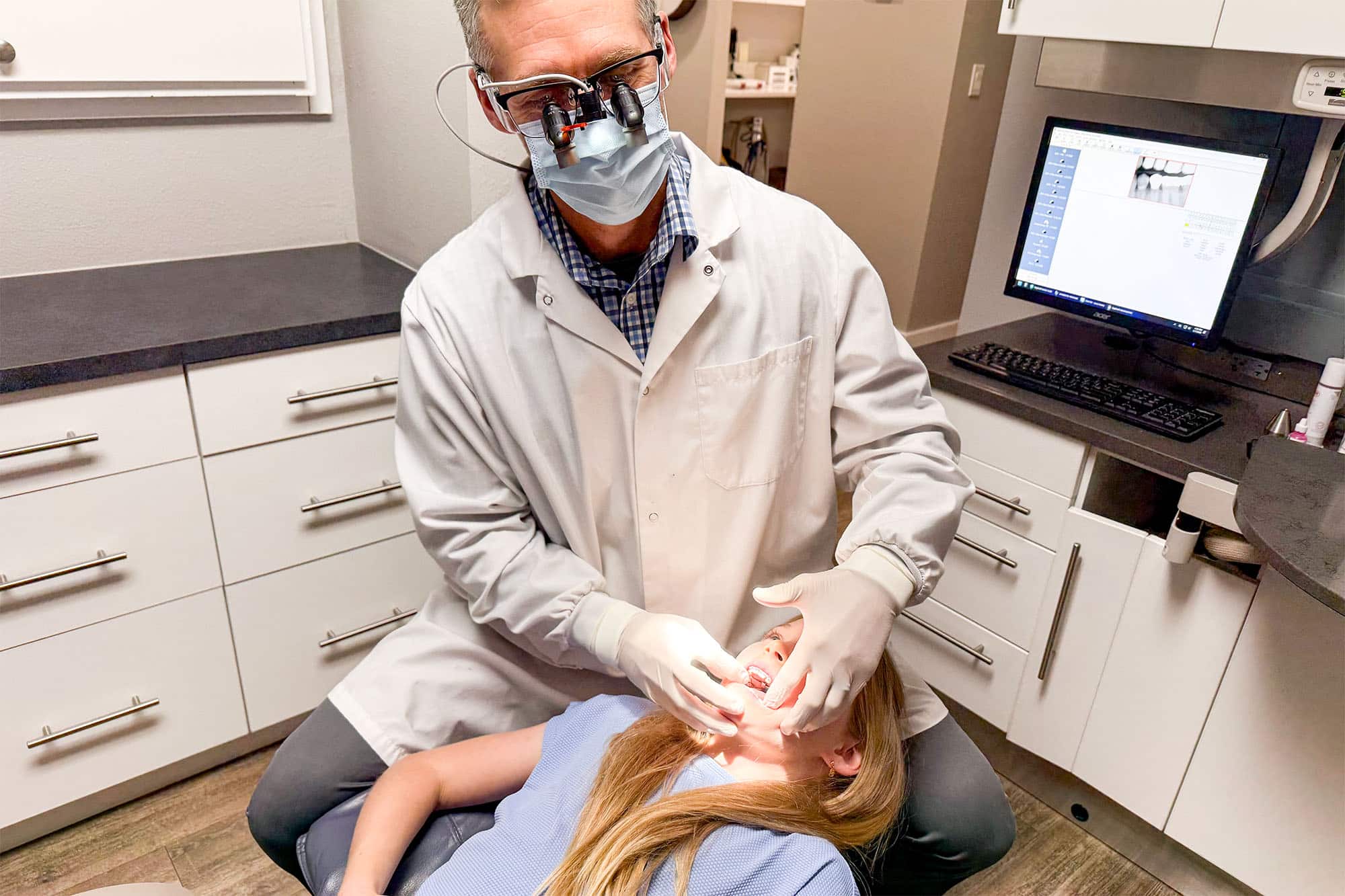
Comprehensive Exams
A comprehensive exam helps us understand the complete condition of your mouth. We check your teeth, gums, bite, and jaw to spot early signs of trouble. Then we put together a plan that supports your long-term health. This visit helps shape the care you’ll receive going forward.
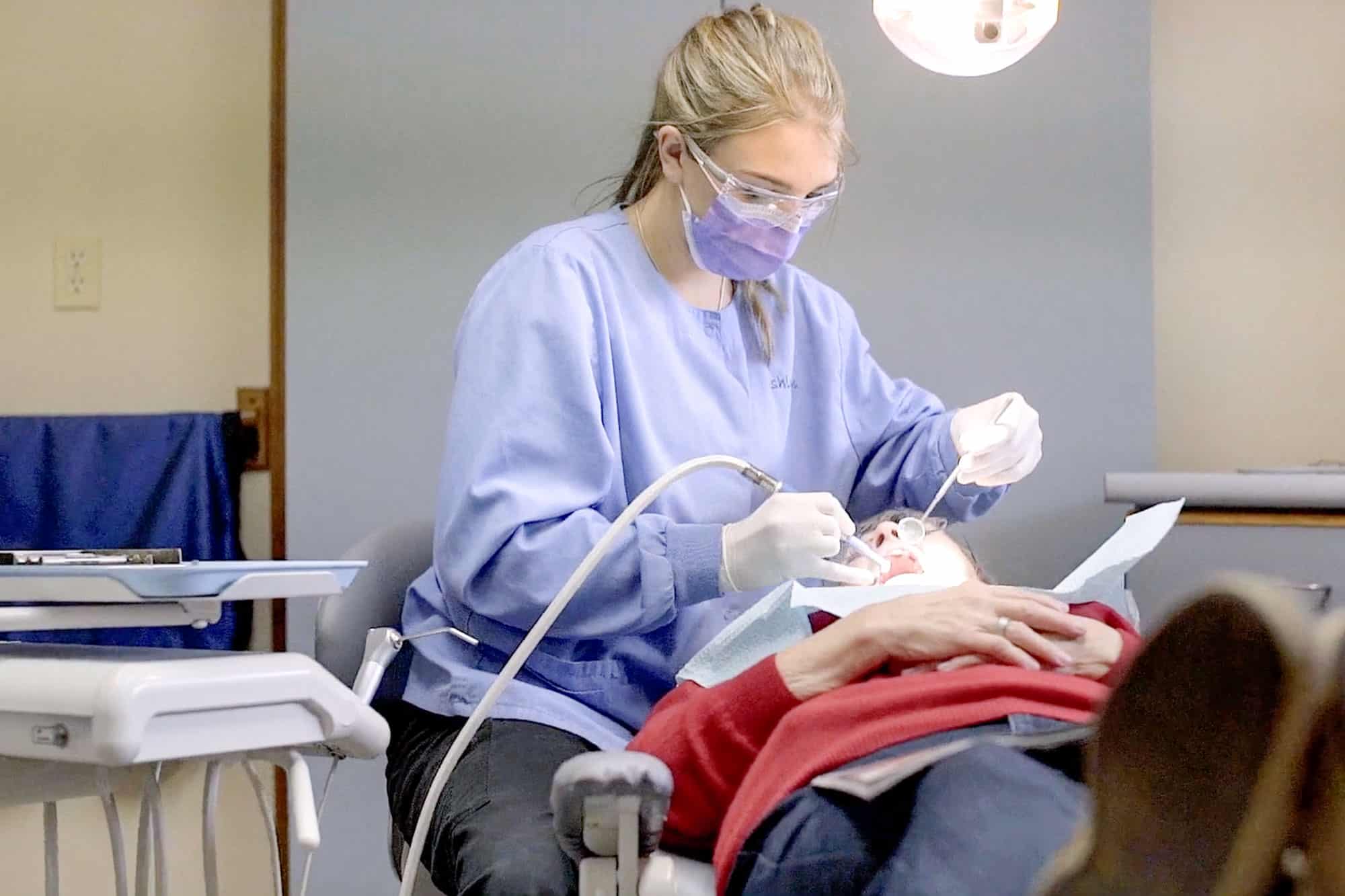
Dental Cleanings
A professional cleaning removes buildup that brushing and flossing can’t reach. These visits help prevent decay and gum disease, and they give us a chance to catch early signs of trouble. Regular cleanings and daily home care work together to keep your smile in good shape.
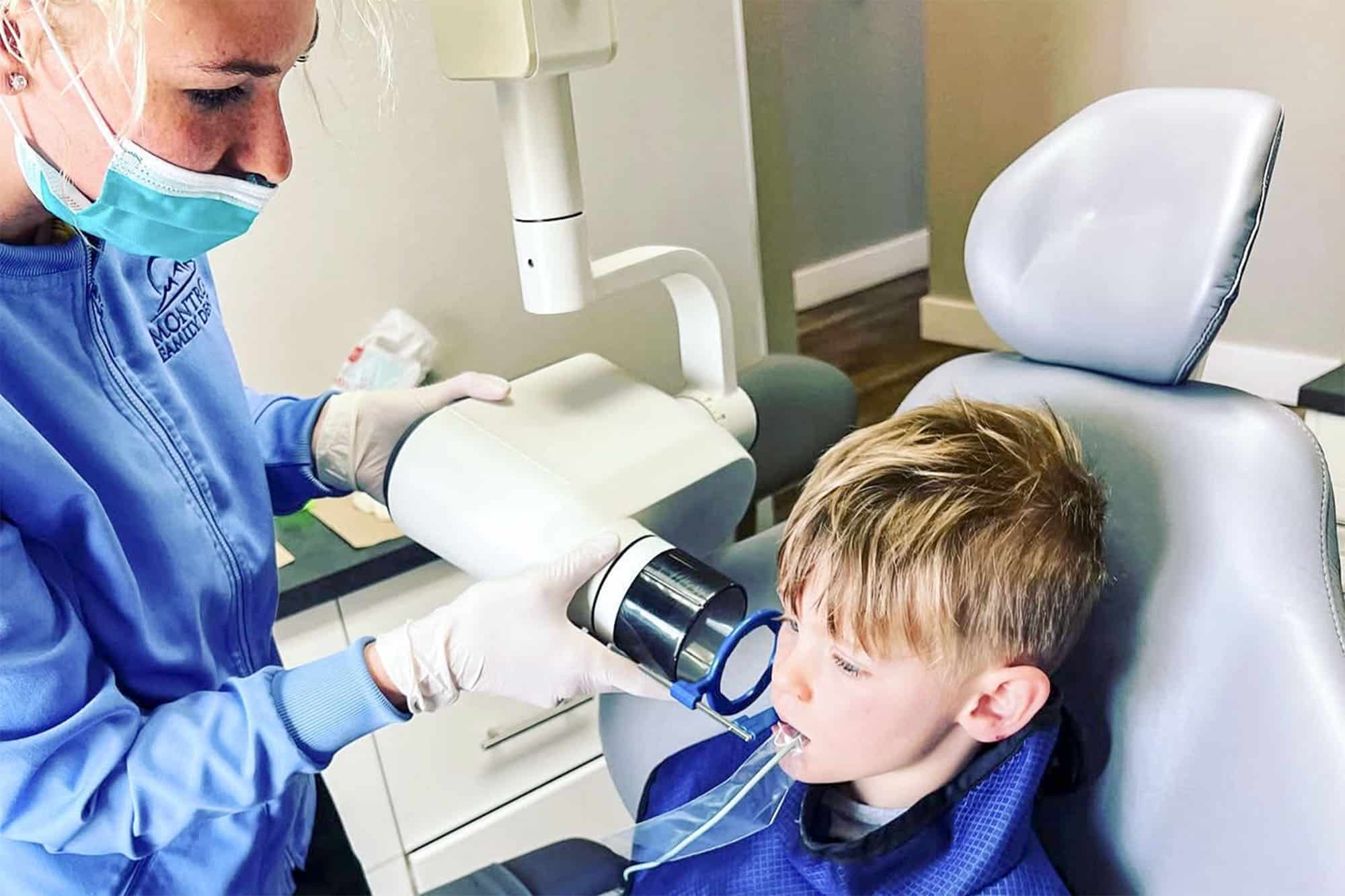
Digital X-Rays
Digital X-rays use significantly less radiation than older film methods and allow for a quicker, more comfortable experience. We follow ALARA principles and tailor X-ray frequency to your needs. This helps us see issues that are not visible during a visual exam.
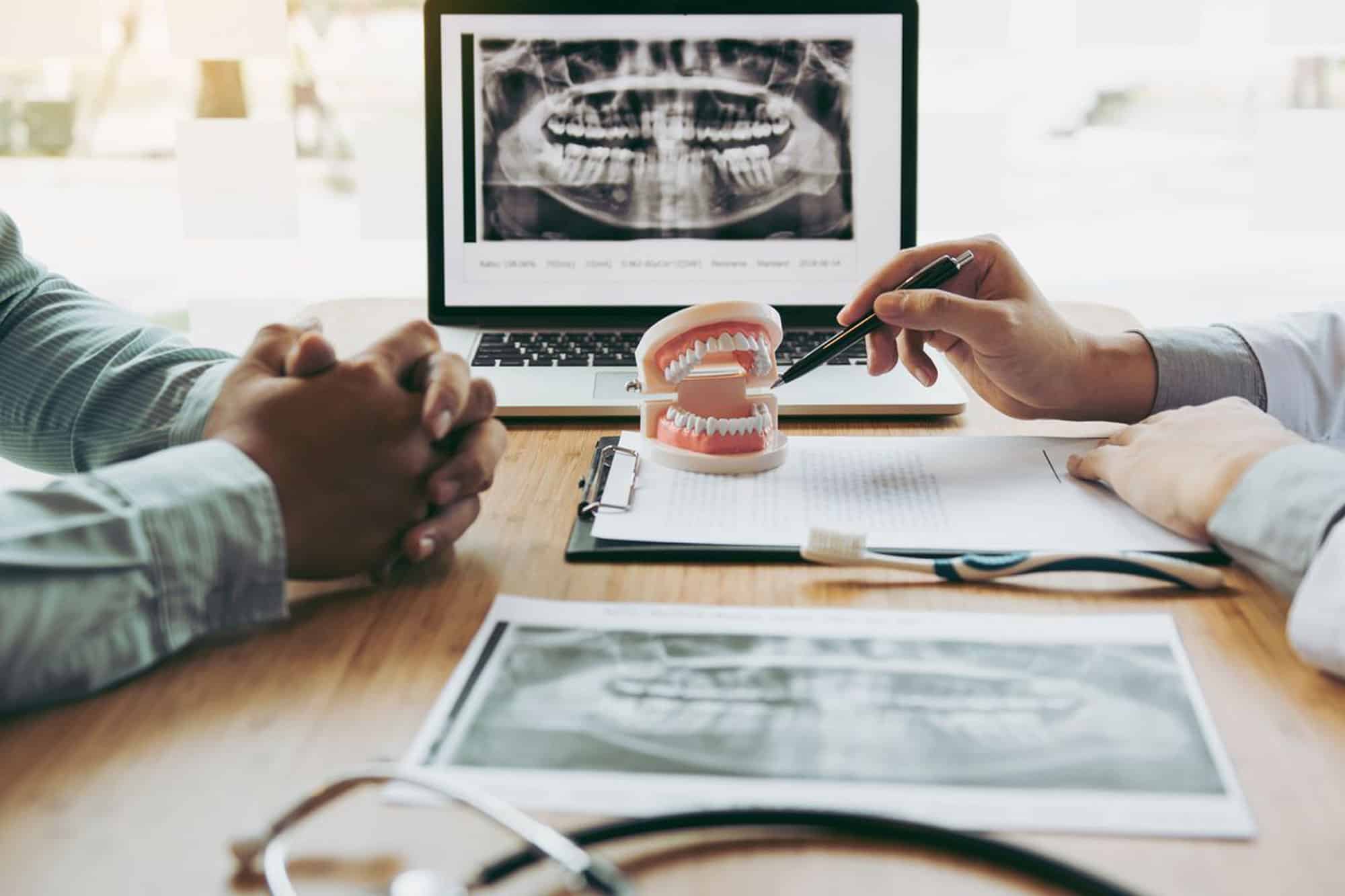
Oral Cancer Screenings
Oral cancer can develop in anyone, and early detection makes all the difference. We perform an oral cancer screening at least once a year for every patient. This simple step helps ensure early care when it matters most.
Fluoride Treatments
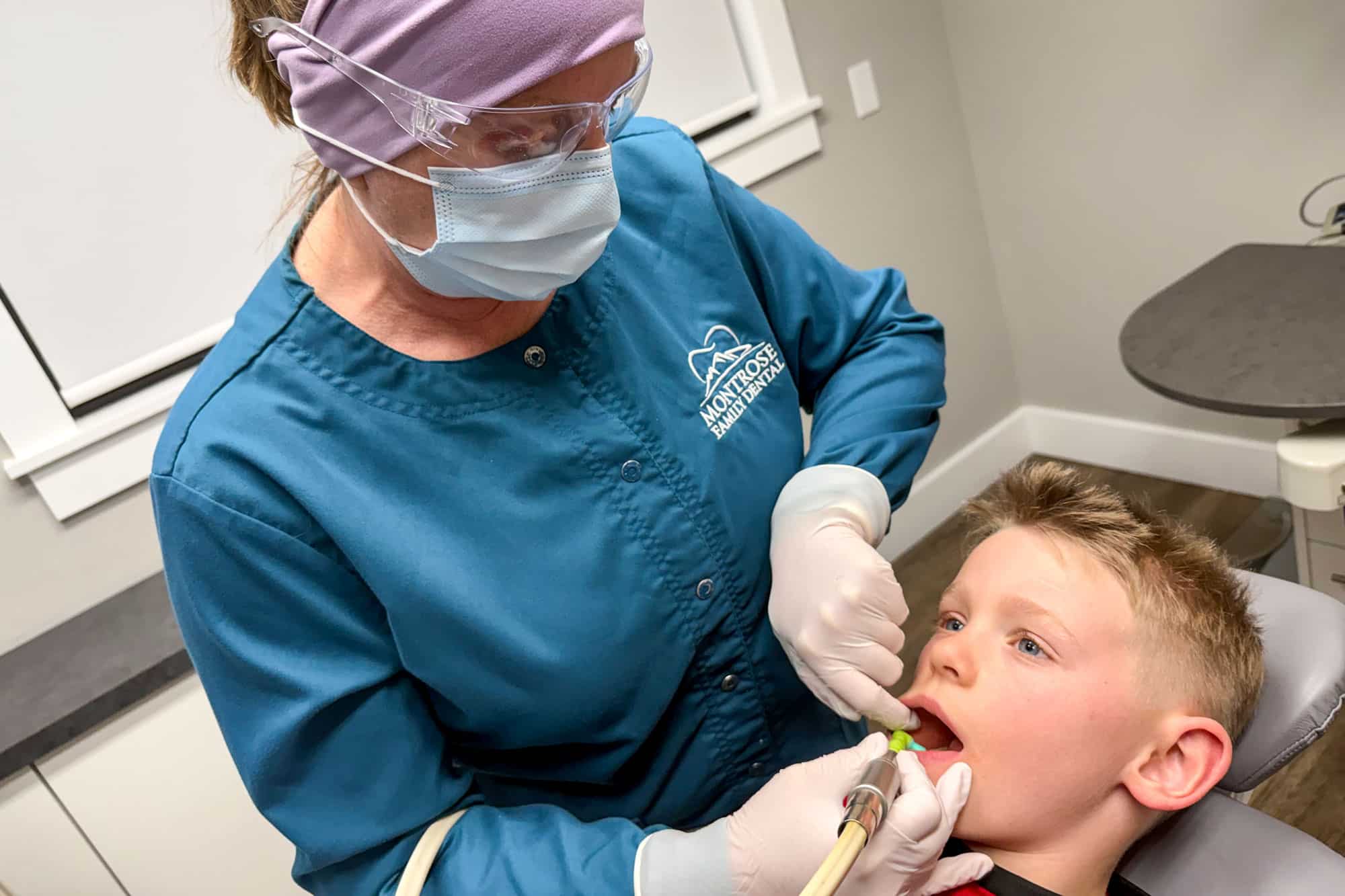
Fluoride strengthens teeth and reduces the risk of decay. It can even stop early cavities from getting worse. We offer different types of fluoride based on your needs and help you choose the right option for your oral health.
Sealants
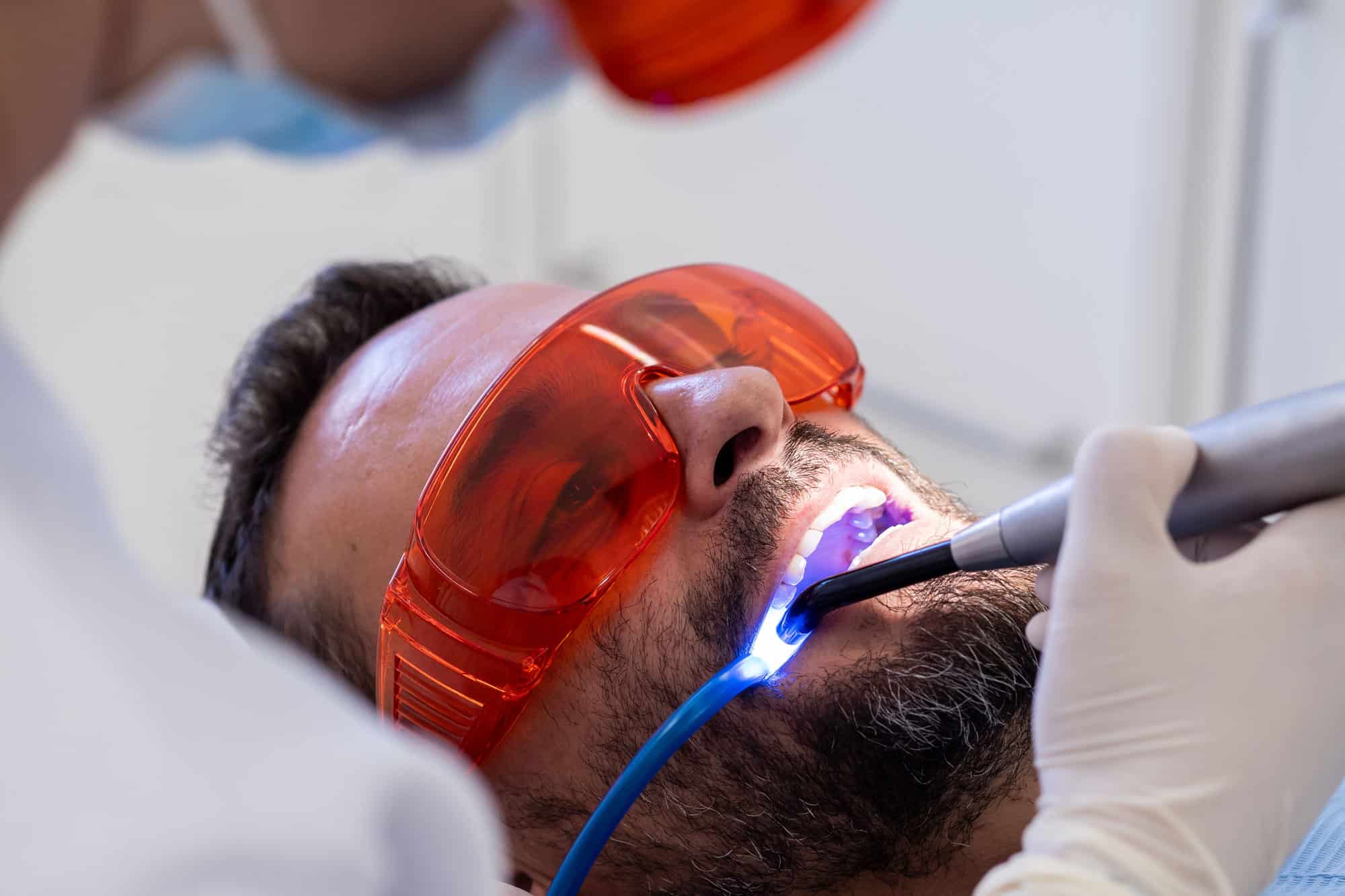
Sealants protect the grooves of the back teeth, where cavities often begin. We use modern materials and techniques to make sure the tooth is clean, dry, and fully prepared before application. This leads to longer-lasting, more reliable results.
PREVENT PROBLEMS BEFORE THEY START
Schedule your cleaning or exam and stay on track with your dental health.

Why You Need Preventive Dental Care
Preventive care is one of the simplest ways to keep your smile strong and your whole body feeling its best. It helps you catch minor issues early, before they become uncomfortable or expensive to fix. Regular visits give you clarity, confidence, and a clear path forward. With steady checkups and a little guidance, you can keep your smile healthy for years to come.
Overall health starts with dental health!
Our Approach to Preventive Dentistry
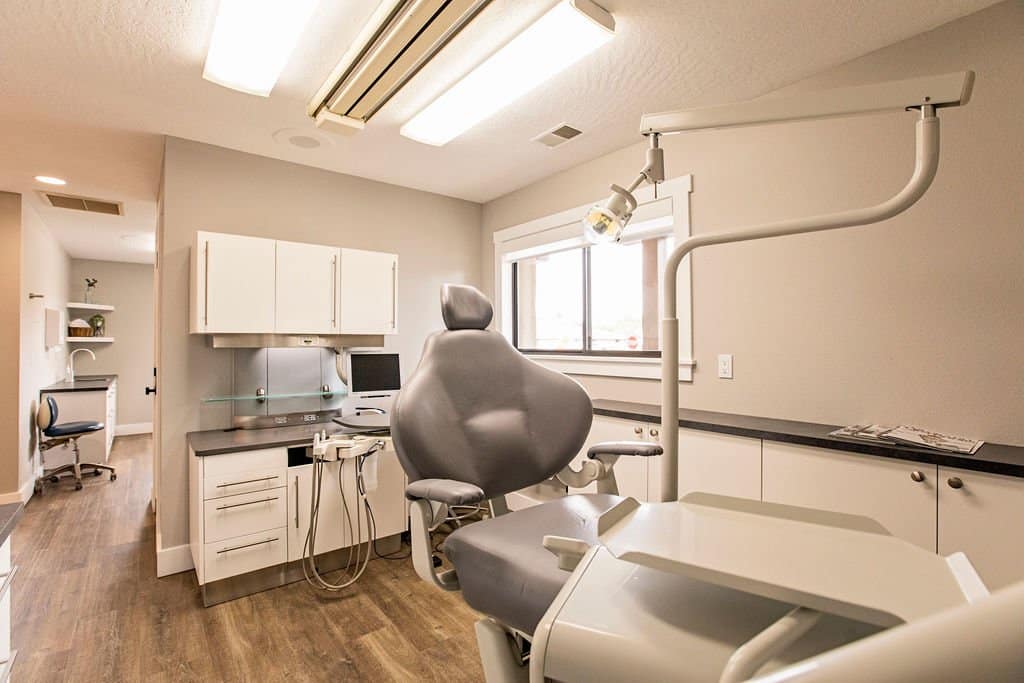
Our preventive care comes from a place of care and partnership. We take time to understand what you want for your health and talk through everything we’re seeing during your visit. With modern tools and easy-to-understand guidance, we help you feel confident in your choices. The goal is simple: keeping you comfortable, supported, and cared for every step of the way.
Keep Your Smile Healthy for Life
Preventive care is the easiest way to protect your oral health and stay ahead of problems. Call our office today to schedule a visit and keep your smile strong and healthy.
Frequently Asked Questions
What is preventive dentistry?
Preventive dentistry focuses on maintaining oral health and preventing cavities, gum disease, enamel wear, and infection before they require more extensive treatment. It typically includes routine dental exams, professional cleanings, X-rays when appropriate, and guidance on daily oral care habits that help protect teeth and gums long term.
Does insurance cover preventive treatments?
Many plans cover most or all preventive care. We’ll help you review your benefits and understand your options.
How often should I get a dental exam and cleaning?
Most patients benefit from dental exams and cleanings every six months. Some individuals may need more frequent scheduled cleanings if they have gum disease, frequent cavities, dry mouth, orthodontic appliances, or medical conditions that increase oral health risk. Our Dentist will recommend a schedule based on your specific needs.
Do cleanings hurt?
Cleanings are gentle and typically very comfortable. If you have sensitivity or gum issues, we can adjust your care to keep you at ease. Our Registered Dental Hygienists are very thorough and have numerous adjunctive aids to make your preventive dental visit comfortable.
What happens during a dental cleaning?
A dental cleaning removes plaque and hardened tartar from teeth and along the gumline using specialized instruments. Teeth are then polished to smooth the surface, making it harder for plaque to accumulate. Cleanings also provide an opportunity to review brushing and flossing techniques and address early signs of gum inflammation.
What happens during a dental exam?
During a dental exam, the dentist evaluates your teeth, gums, bite, jaw function, and existing dental work. They look for cavities, cracks, gum disease, and signs of infection or wear. When needed, X-rays help detect problems below the surface, such as decay between teeth or changes in bone support.
Do I need dental X-rays at every visit?
No. X-ray frequency depends on your age, dental history, cavity risk, gum health, and symptoms. Some patients only need periodic imaging, while others may require more frequent X-rays to monitor ongoing concerns. X-rays are used thoughtfully to detect issues that cannot be seen during a visual exam.
What is the difference between a routine cleaning and a deep cleaning?
A routine cleaning removes plaque and tartar above the gumline and is recommended for patients with healthy gums. A deep cleaning, also called scaling and root planing, treats gum disease by removing buildup below the gumline and smoothing root surfaces to help gums heal and reattach to the teeth.
Why do my gums bleed when I brush or floss?
Bleeding gums are often caused by inflammation from plaque buildup and are an early sign of gingivitis. Regular brushing, flossing, and professional cleanings usually reduce bleeding. If bleeding persists, it may indicate gum disease and should be evaluated by a dentist rather than ignored.
How can I prevent cavities between cleanings?
Preventing cavities starts with brushing twice daily using fluoride toothpaste, flossing every day, limiting frequent sugary snacks and drinks, and staying consistent with scheduled dental visits. Some patients may also benefit from fluoride treatments or remineralizing products if they are prone to decay.
What is fluoride and do adults still need it?
Fluoride strengthens tooth enamel and helps prevent cavities by making teeth more resistant to acid from bacteria. Many adults benefit from fluoride toothpaste, and some may need professional fluoride treatments or prescription fluoride if they have sensitivity, dry mouth, exposed roots, or a history of frequent cavities.
What are dental sealants and who should get them?
Dental sealants are thin protective coatings applied to the chewing surfaces of back teeth to block bacteria and food from settling into deep grooves. They are commonly recommended for children and teens but can also benefit adults with deep grooves or a higher risk of cavities.
What causes chronic bad breath?
Persistent bad breath is often caused by plaque buildup, gum disease, dry mouth, tongue bacteria, or untreated decay. A dental exam can identify the source and rule out infection. Treatment usually includes professional cleaning, improved home care, and addressing any underlying dental issues.
When should my child first see a dentist?
Many children should see a dentist by age one or within six months of the first tooth erupting. Early visits help establish healthy habits, monitor tooth development, and identify cavity risk early while keeping the experience positive and low-stress.
How do you help children feel comfortable during dental visits?
Children’s preventive visits are designed to be gentle, educational, and paced appropriately for their age. Clear explanations, a calm environment, and short appointments help build trust and reduce dental anxiety while creating positive early experiences.
How do I know if I’m overdue for a cleaning?
Signs you may be overdue include bleeding gums, visible tartar, persistent bad breath, tooth sensitivity, or teeth that never feel fully clean. Even without symptoms, routine cleanings are important because gum disease and decay can progress quietly.