
Restorative Dentistry in Montrose
Rebuild Strength, Comfort, and Confidence
When a tooth breaks or begins to fail, everyday tasks like eating or smiling can feel uncomfortable. Restorative dentistry helps fix these problems so your mouth feels stable, strong, and comfortable again. Our Montrose office offers gentle, effective solutions designed to help you regain a healthy smile and return to living life with confidence.
We understand that dental repair can be overwhelming, especially if you’ve experienced discomfort or complex issues in the past. That’s why our approach to restorative dental services focuses on listening, careful planning, and advanced techniques to achieve long-lasting results.
Restorative Treatments We Offer
We offer a comprehensive range of restorative dental services to repair damage, replace missing teeth, and preserve your smile for years to come.
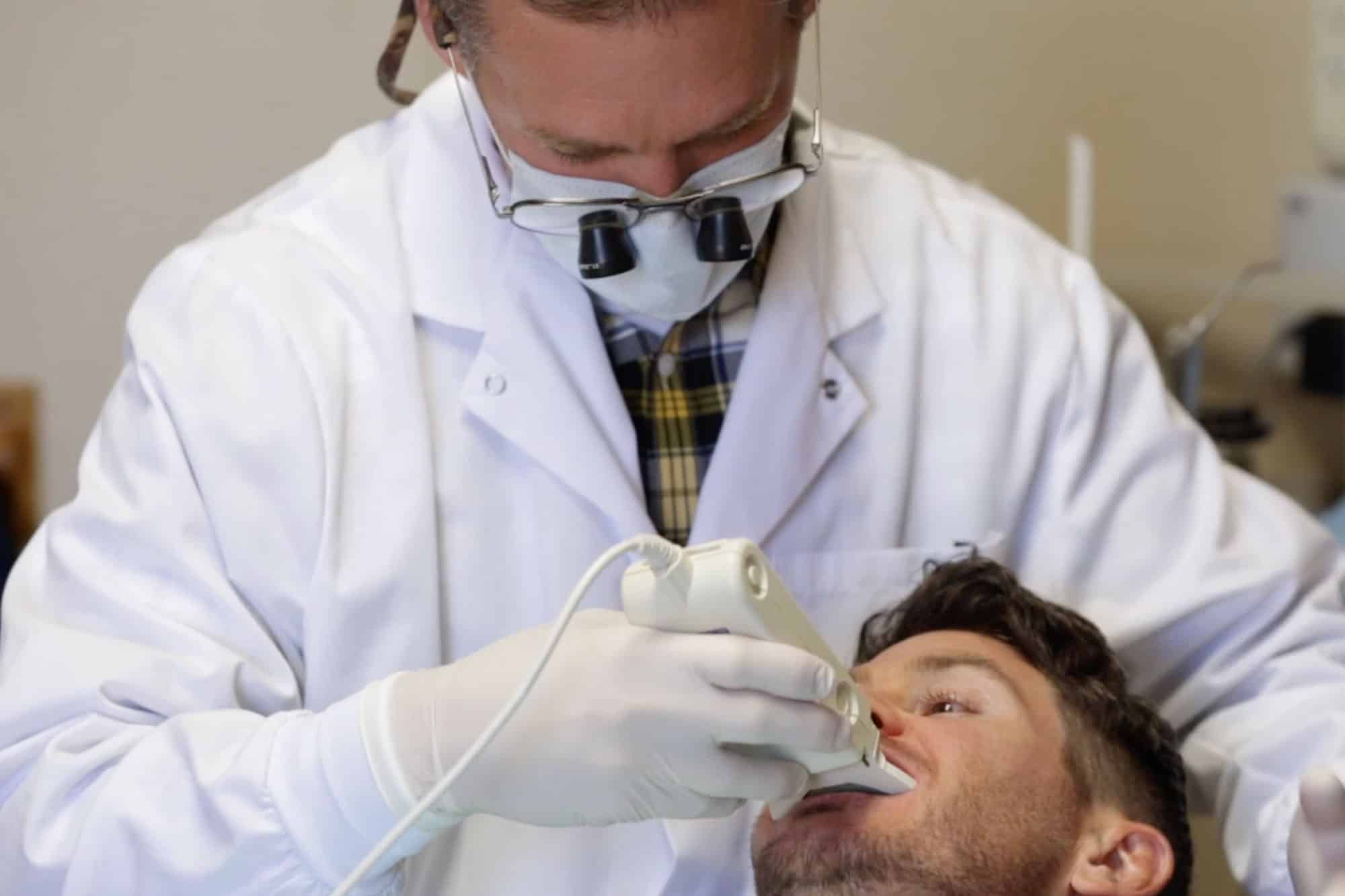
Full Mouth Reconstruction
A full mouth reconstruction can help you feel more comfortable when several areas of your smile need care. Dr. Dan starts by taking a close look at your muscles, joints, teeth, gums, and bite to understand what is happening. Then we create a plan that fits your needs, your goals, and your budget.
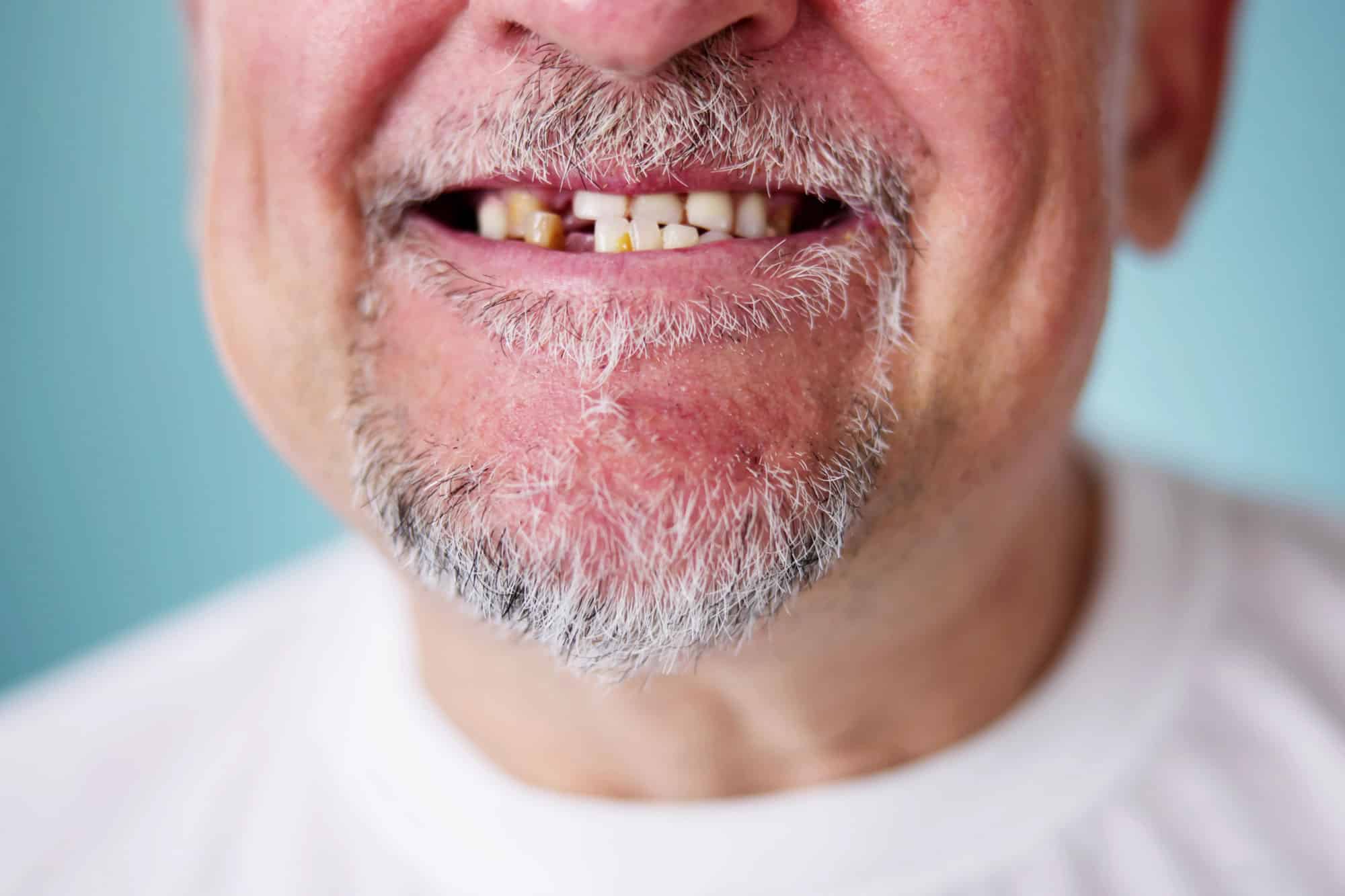
Broken, Decayed, Missing Teeth
Broken, decayed, or missing teeth can make everyday moments feel hard. Fixing these areas helps your mouth feel strong and steady again. We begin by finding the cause of the problem and looking at how it affects the rest of your smile. Then we build a plan that fits your needs and helps you feel comfortable again.
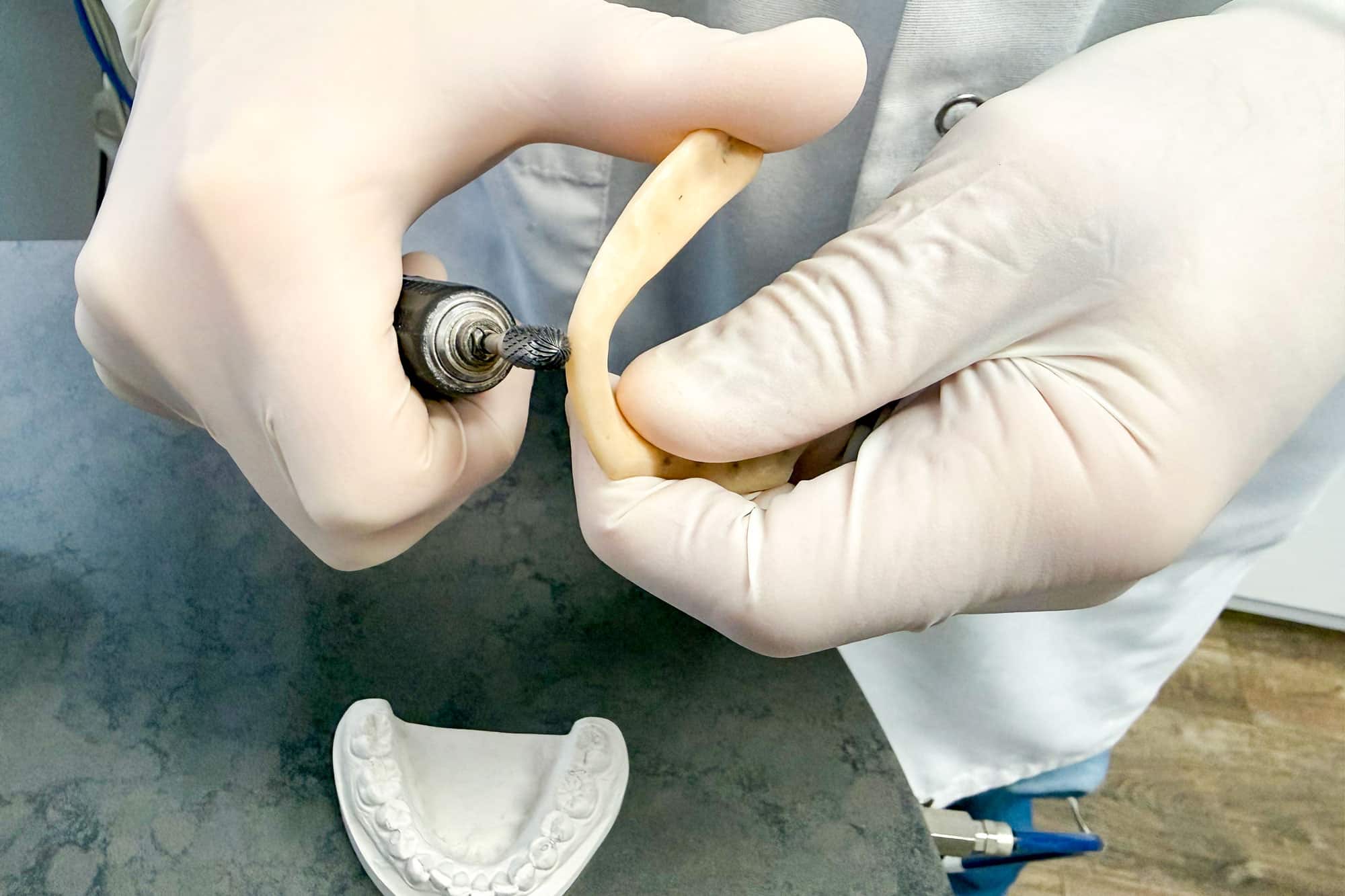
Bite Splint Therapy
Your bite has three components, and if these three components (teeth, muscles and joint) don’t all agree on where to position the jaw, there is a bite imbalance. A bite splint is an acrylic guard that helps us reduce symptoms, protect teeth, and diagnose the proper bite position. It is an essential component of restorative dentistry.
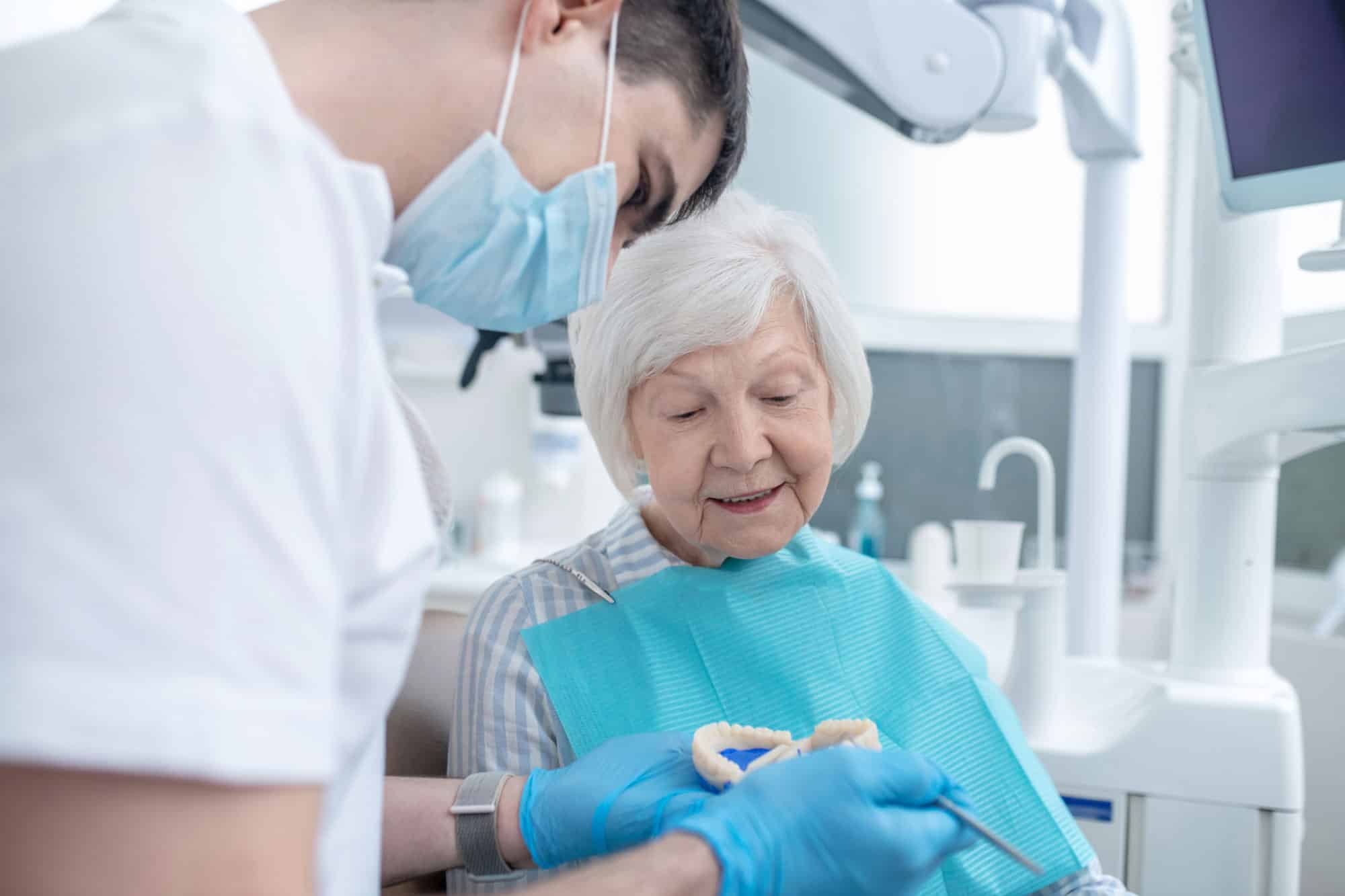
Dentures
From conventional dentures to implant-retained hybrid dentures that are fixed in place, we use the best, most tested materials to ensure your comfort. The options and designs of complete dentures can vary greatly. Whether it is time to transition to complete dentures or if your existing dentures need some attention, our restorative dentist provides an excellent service.

Fillings
Fillings are the foundation of good restorative dentistry. When done correctly, they provide many years of quality service. The vast majority of fillings placed in our office are bonded, tooth-colored restorations that provide an esthetic solution, with techniques that significantly reduce sensitivity and post-operative discomfort.

Gum Therapy
Your gums and bone are the foundation for your teeth. Gum disease is a significant problem in that foundation. Gum therapy is a common treatment for periodontal disease that involves deeper cleanings to thoroughly remove plaque from root surfaces below the gum line and disinfect the gum tissues. After gum therapy, more frequent maintenance visits are necessary to keep your foundation healthy and stable.
TAKE THE NEXT STEP TO A HEALTHIER SMILE
Call today and learn how a restorative dentist can help.

Why Restorative Dentistry Matters
Restorative dental services fix teeth and restore function, comfort, and confidence. Treating damage early helps prevent more serious problems, such as infection or shifting teeth. Rebuilding your smile also makes everyday activities easier and enables you to maintain better overall health.

How Montrose Family Dental Approaches Restorative Dentistry
We combine modern techniques with a personal touch to make every visit comfortable. Dr. Dan’s advanced training through the Pankey Institute allows him to handle even complex restorative cases with precision and care. Our goal is always to restore your smile in a way that feels natural, looks great, and supports long-term health.
Restore Your Smile with Confidence
You don’t have to live with pain, discomfort, or embarrassment about your teeth. Call our office today to schedule an appointment and learn how restorative dentistry can bring strength and confidence back to your smile.
Frequently Asked Questions
What is restorative dentistry?
Restorative dentistry repairs damaged, decayed, weakened, or missing teeth to restore function, comfort, and oral health. Treatments may include fillings, crowns, bridges, root canal therapy, and tooth replacement, depending on the condition and structure of the tooth.
How do I know if I need restorative dental work?
If you have pain, broken teeth, sensitivity, or missing teeth, restorative treatment can help restore comfort and function. Our team will evaluate your mouth and explain the best options for your needs.
Often times you don’t know that you need restorative care. Waiting until symptoms arise can increase complexity and cost of treatment.
Will my dental insurance cover restorative dental services?
Most insurance plans cover at least part of restorative treatments such as fillings, crowns, or dentures. We’ll help you review your benefits before treatment begins.
When is restorative dental treatment necessary?
Restorative treatment is needed when a tooth has decay, a crack, structural weakness, pain, or damage that could worsen over time. Treating problems early often prevents more complex procedures and helps preserve natural tooth structure.
Is restorative dentistry painful?
Modern techniques and anesthesia make most treatments surprisingly comfortable. We take extra care to ensure you feel relaxed before, during, and after your visit. For patients with higher levels of dental anxiety or more complex treatment additional levels of sedation can be utilized.
How are decayed teeth treated?
Treatment depends on how advanced the decay is. Small areas of decay are often repaired with fillings. Larger areas may require a crown to restore strength. If decay reaches the tooth’s nerve, root canal treatment may be necessary before restoring the tooth.
What is the difference between a filling and a crown?
A filling repairs a smaller area of damage inside a tooth, while a crown covers the entire tooth to restore strength when significant structure is missing or weakened. Crowns are commonly recommended for cracked teeth, large fillings, or heavily decayed teeth.
What should I do if I break a tooth?
If you break a tooth, avoid chewing on that side and contact Montrose Family Dental right away so we can guide you and schedule appropriate treatment. Treatment options may include bonding, a filling, or a crown, depending on the extent of the damage and whether the nerve is affected.
How serious is a cracked tooth?
Cracked teeth vary in severity. Some cause mild discomfort, while others threaten the nerve and the stability of the tooth. Pain when biting, sensitivity, or lingering discomfort are common warning signs. Early evaluation improves the chances of saving the tooth. Call us right away to schedule an evaluation—the sooner we assess the problem, the better we can prevent more serious complications.
What’s the difference between chipped, cracked, and fractured teeth?
A chipped tooth usually involves minor enamel damage. A cracked tooth has a line or split that may extend deeper. A fractured tooth involves significant structural damage and may affect the nerve. Treatment depends on depth, symptoms, and tooth stability.
Do cracked teeth always need crowns?
Not always, but many cracked teeth benefit from crowns because they protect the tooth from flexing and further damage. Minor cracks may be monitored or treated with bonding, while deeper cracks usually require coverage for long-term stability. To determine the best treatment for your cracked tooth, call us to schedule an evaluation so we can help prevent additional complications.
What causes teeth to crack or fracture?
Common causes include biting hard foods, trauma, grinding or clenching, large fillings that weaken teeth, and repeated stress over time. Night grinding is a frequent contributor and may require a night guard to prevent further damage.
Can broken teeth be saved?
Many broken teeth can be repaired if enough healthy structure remains. Fillings, crowns, or root canal treatment may restore function. Extraction is considered only when the tooth cannot be predictably repaired.
What is a dental bridge?
A dental bridge replaces one or more missing teeth by anchoring a replacement tooth to neighboring teeth or implants. Bridges restore chewing ability, improve appearance, and prevent surrounding teeth from shifting.
How long do crowns, fillings, and bridges last?
Longevity depends on materials, bite forces, oral hygiene, and regular dental care. Many restorations last years or even decades with proper maintenance. Recurrent decay around restorations is the most common cause of early failure.
Does restorative dental treatment hurt?
Restorative procedures are performed with local anesthesia to keep patients comfortable. Most people feel pressure rather than pain. Mild sensitivity afterward is common and usually temporary.
What should I expect after restorative treatment?
Some sensitivity to temperature or biting pressure is normal for a short time. If discomfort increases or your bite feels uneven, contact us so adjustments can be made to protect the restoration and surrounding teeth.